What Are Linear and Non-Linear Loads in UPS Systems?
Last updated: 5 Jun 2025
2227 Views
What Are Linear and Non-Linear Loads in UPS Systems?
AC Electrical Loads
Electrical loads can generally be divided into two main categories:
1. Linear Loads
These are loads where the relationship between voltage and current is proportional and follows a sinusoidal waveform, as defined by Ohm's Law.
- Current changes linearly with voltage
- No waveform distortion
Examples of linear loads:
- Transformers
- Induction motors
- Capacitors
2. Non-Linear Loads
These are loads where the current does not change proportionally with voltage.
- Current fluctuates depending on the devices internal resistance at different times
- The resulting current waveform is not sinusoidal
Examples of non-linear loads:
- Computers and servers
- Printers and copiers
- Telecommunication systems
- TVs and monitors
- Any device using SMPS (Switched-Mode Power Supplies)
Effects of Non-Linear Loads
Non-linear loads draw current in short, sharp bursts, which causes waveform distortion. This can lead to:
- Harmonics — Distortion in voltage and current waveforms
- Overheating — In UPS systems, transformers, and conductors
- Nuisance Tripping — Unnecessary circuit breaker trips
- VSD/VFD Malfunctions — Variable speed drives may operate incorrectly
UPS Systems Designed for Non-Linear Loads
Some UPS models are specifically built to handle non-linear loads efficiently.
Riello UPS models such as:
- Sentinel Dual
- Sentinel Tower
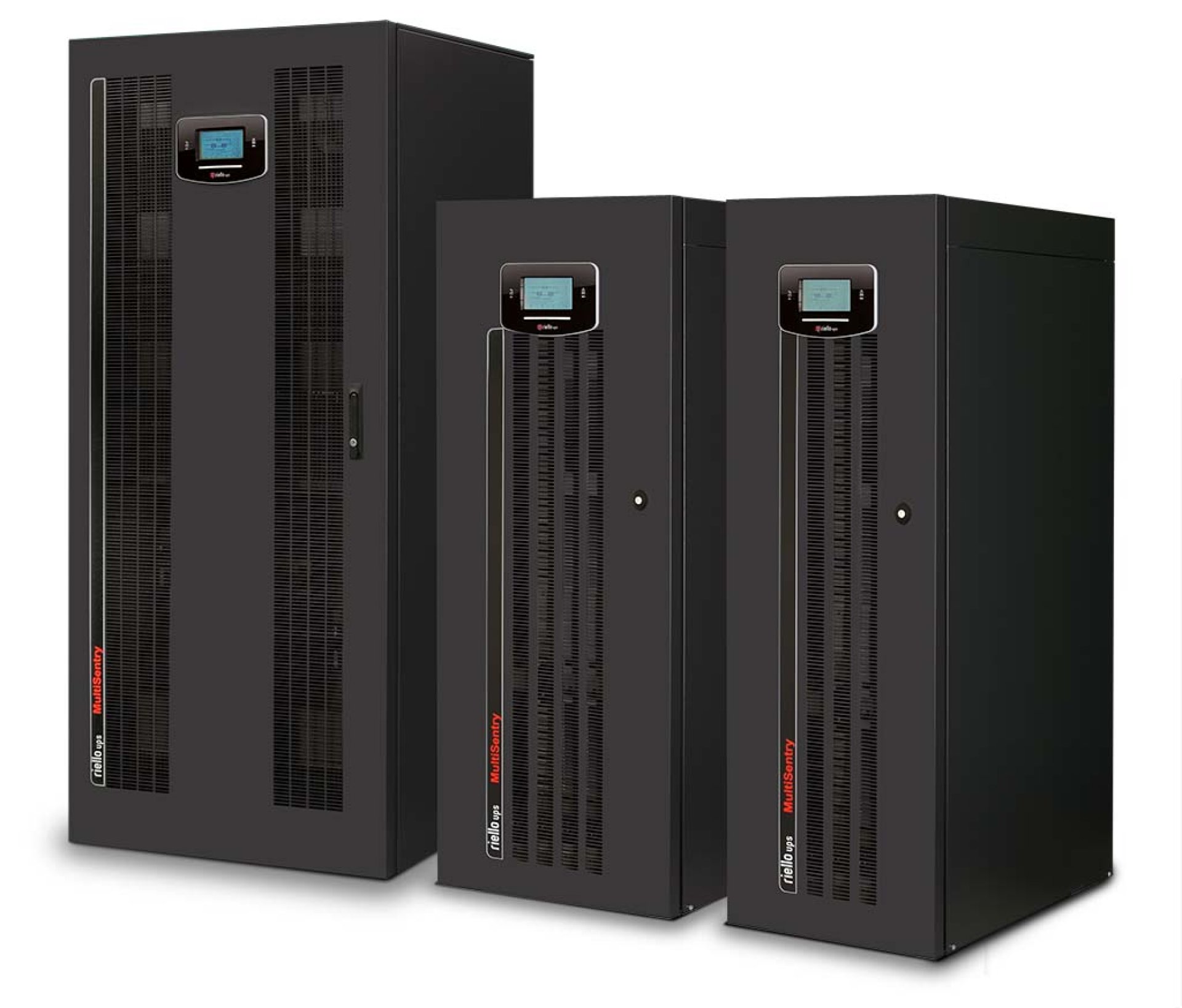
- Multi Sentry Series
BT Connect is the official distributor of Riello UPS in Thailand. We offer expert consultation and tailored UPS solutions to support both linear and non-linear load environments—ensuring uninterrupted and efficient power for your business-critical systems.
Related Content


How to Calculate UPS Load and Select the Right UPS Size
16 Jan 2025