What Are Linear and Non-Linear Loads in UPS Systems?
Last updated: 5 Jun 2025
2226 Views
What Are Linear and Non-Linear Loads in UPS Systems?
AC Electrical Loads
Electrical loads can generally be divided into two main categories:
1. Linear Loads
These are loads where the relationship between voltage and current is proportional and follows a sinusoidal waveform, as defined by Ohm's Law.
- Current changes linearly with voltage
- No waveform distortion
Examples of linear loads:
- Transformers
- Induction motors
- Capacitors
2. Non-Linear Loads
These are loads where the current does not change proportionally with voltage.
- Current fluctuates depending on the devices internal resistance at different times
- The resulting current waveform is not sinusoidal
Examples of non-linear loads:
- Computers and servers
- Printers and copiers
- Telecommunication systems
- TVs and monitors
- Any device using SMPS (Switched-Mode Power Supplies)
Effects of Non-Linear Loads
Non-linear loads draw current in short, sharp bursts, which causes waveform distortion. This can lead to:
- Harmonics — Distortion in voltage and current waveforms
- Overheating — In UPS systems, transformers, and conductors
- Nuisance Tripping — Unnecessary circuit breaker trips
- VSD/VFD Malfunctions — Variable speed drives may operate incorrectly
UPS Systems Designed for Non-Linear Loads
Some UPS models are specifically built to handle non-linear loads efficiently.
Riello UPS models such as:
- Sentinel Dual
- Sentinel Tower
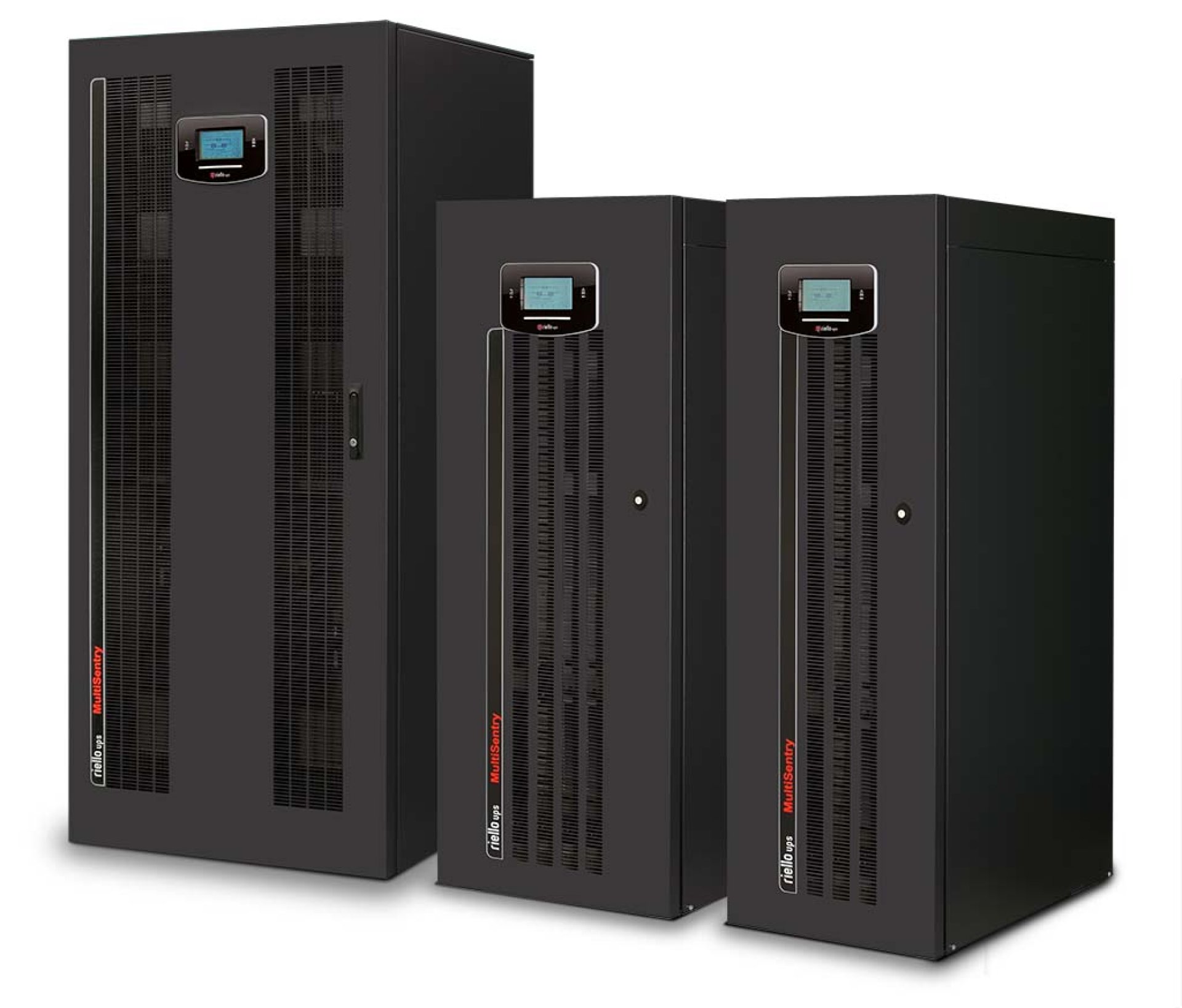
- Multi Sentry Series
BT Connect is the official distributor of Riello UPS in Thailand. We offer expert consultation and tailored UPS solutions to support both linear and non-linear load environments—ensuring uninterrupted and efficient power for your business-critical systems.
Related Content

Power Factor (PF) indicates how efficiently electrical equipment uses the power it draws. It is the ratio between:
16 Jan 2025

BT Connect distributes BCN UPS and Riello UPS units equipped with advanced Battery Care technology.
Our smart charging and monitoring functions help extend battery life, reduce risks related to slow discharges and ripple currents, and optimize power stability.
We are committed to delivering high-quality UPS solutions that ensure reliable electrical infrastructure for your operations.
16 Jan 2025

UPS efficiency refers to how effectively the UPS converts incoming electrical power into usable output power.
16 Jan 2025