Difference Between Single-Phase and Three-Phase UPS Systems
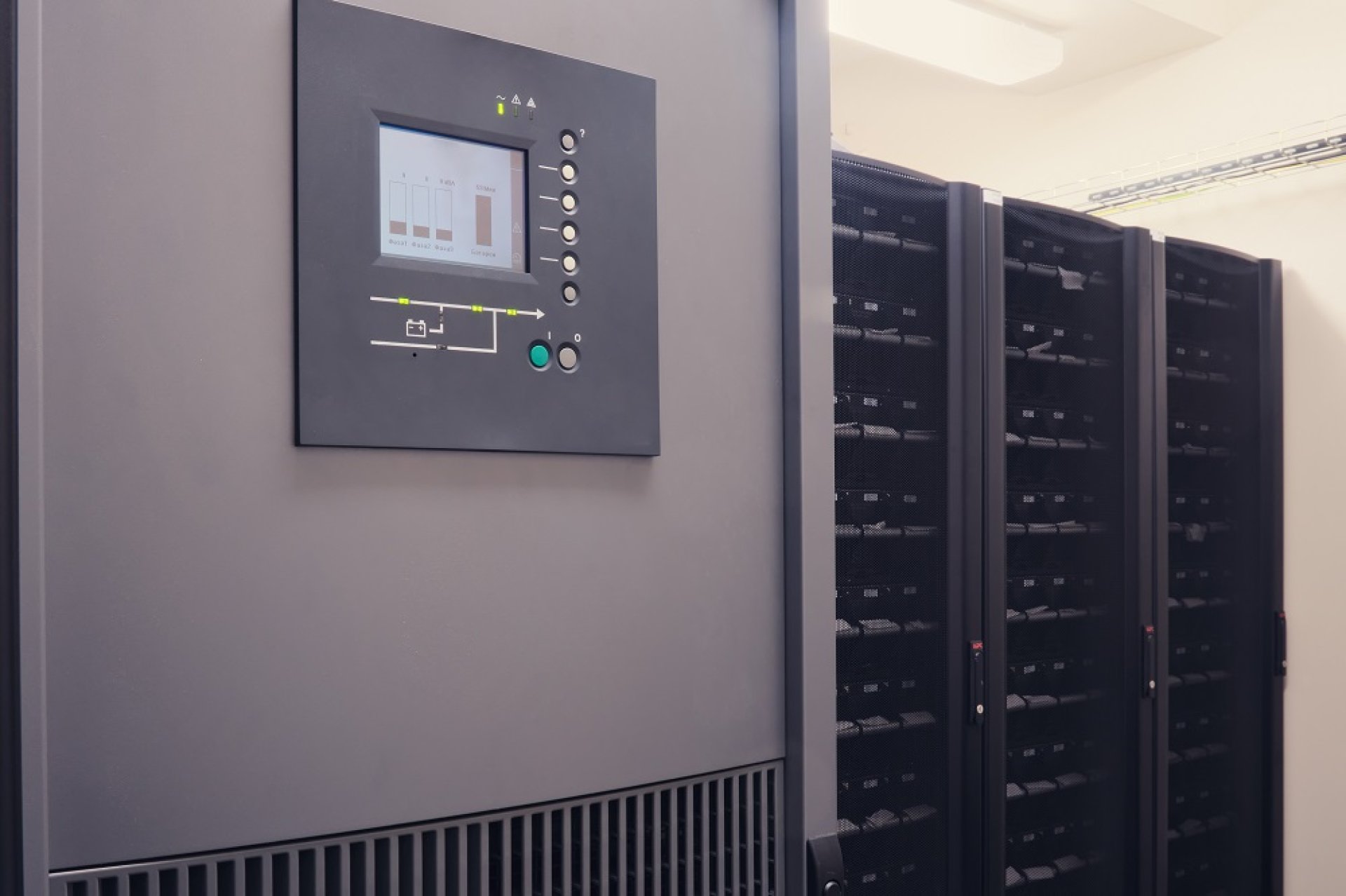
Difference Between Single-Phase and Three-Phase UPS Systems
Single-Phase UPS System
A single-phase UPS has both input and output power in a single-phase format (1:1 ratio). It is ideal for general electronic equipment that uses a standard three-pin plug, such as:
- Small rack-mounted servers
- Telecommunication equipment
- Network switches
- Desktop computers and monitors
This type of UPS is typically used in residential or small business environments where the electrical infrastructure is single-phase.
- Power rating usually up to 20 kVA
- Efficient for handling single-phase sine wave power
Three-Phase UPS System
Three-phase UPS systems are designed for high-power applications, such as:
- Data centers
- Hospitals (e.g., surgical rooms)
- Large industrial facilities
Also suitable for equipment with motors, including:
- Elevators
- Water pumps
- Large fans
- Power is transmitted from the main source to the building via three-phase lines
- It can be:
- Split into single-phase for general equipment
- Delivered directly to three-phase loads
What Does 120° Phase Shift Mean?
In a three-phase system, each AC waveform is evenly spaced by 120° along the time axis.
- Phase 1 starts at 0°
- Phase 2 starts at 120°
- Phase 3 starts at 240°
This ensures that at any given time, one phase is always delivering power, preventing zero-crossing power dips.
Why Use 120° Phase Difference?
- Continuous Power Supply — At least one phase is always rising or peaking, ensuring seamless delivery
- Reduced Power Loss — Balanced power distribution leads to less energy loss compared to single-phase systems
- Higher Stability — No moment where power drops to zero, which ensures smoother equipment operation
Analogy: Rowing Team
Imagine a rowing team:
- Single-phase is like a single rower — the boat moves in spurts
- Three-phase is like a team of 3 rowers — as one slows down, the next starts, keeping the boat moving steadily
Practical Use in Three-Phase Systems
- Power Transmission — Used in industrial buildings, data centers, factories
- Step-down to Single-Phase — For use in office lights, general appliances
- Direct Three-Phase — Use For motors, compressors, elevators, and pumps
Quick Comparison
- Single-Phase UPS
- For homes, small businesses
- Handles lower loads
- Max rating: approx. 20 kVA
- Three-Phase UPS
- For large enterprises, factories, critical infrastructure
- Supports heavy, continuous loads
- Higher stability and energy efficiency
Single-phase UPS is ideal for small installations or residential setups.
Three-phase UPS is best for power-intensive and mission-critical operations requiring high availability and system redundancy.
BT Connect offers expert consultation to help you select the UPS system that best suits your power requirements—whether single-phase or three-phase. Contact us for tailored power protection solutions.